An Island Unlike Any Other
Fuvahmulah sits in the far south of the archipelago, about 33 kilometres below the equator. It is the only atoll in the Maldives made up of a single island: Gnaviyani Atoll is Fuvahmulah, and its old lagoon filled in long ago. The name is often translated as “island of the areca nut”, a nod to the areca palms that grow across the island.
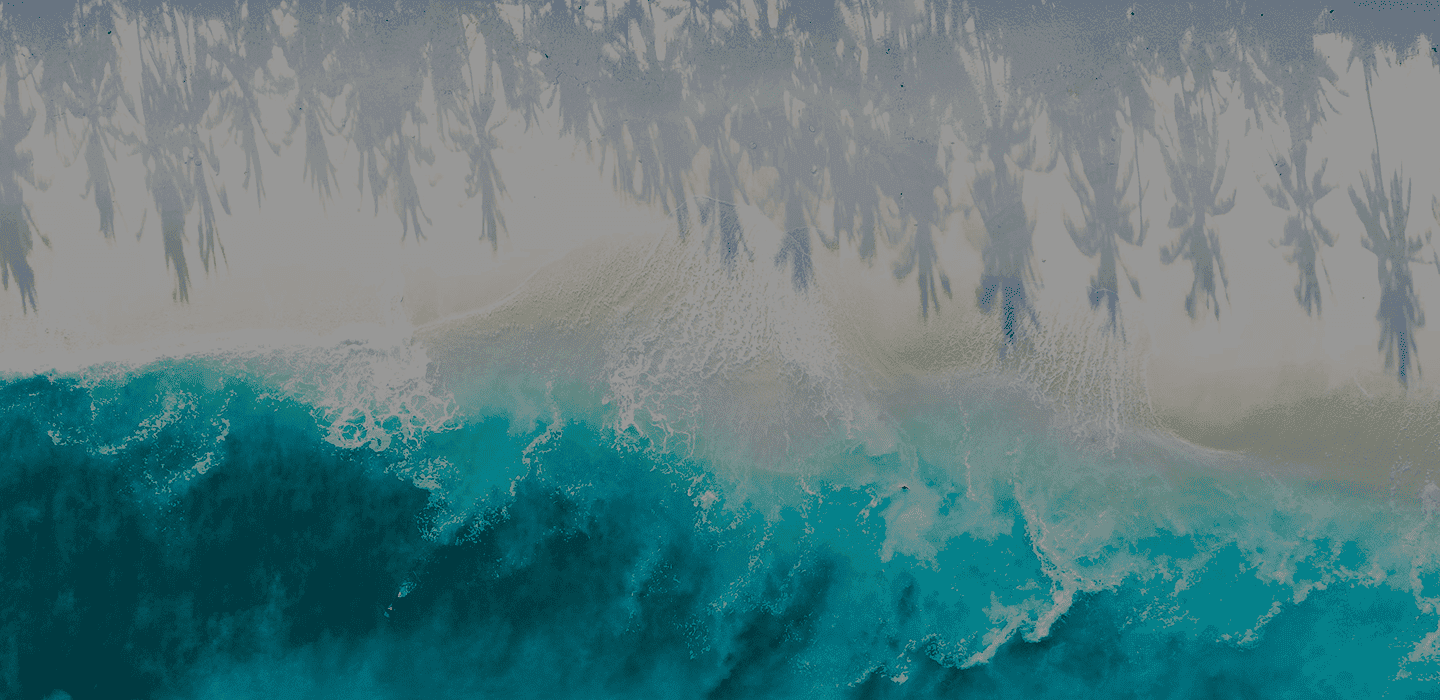
The island is roughly 4.5 kilometres long and 1.2 kilometres wide, and by natural land area it is one of the largest in the Maldives. With no shallow lagoon, the deep ocean arrives right at the shoreline. Waves reach the coast from every side, and the island lies in the Equatorial Channel, one of the roughest stretches of sea in the country. Before the airport opened in 2011, getting here meant a long, rough crossing from Addu.
At the island’s northern tip, waves arriving from opposite directions have shaped Thoondu, a glossy white pebble beach. Inland are two freshwater lakes, Bandaara Kilhi and Dhadimagu Kilhi, surrounded by wetland, taro fields and thick vegetation. The mud from the lakes is used locally in traditional healing baths. Fuvahmulah also has its own dialect, and it is the Maldives’ largest mango producer.
How to Get to Fuvahmulah
Fuvahmulah takes a little more planning than a resort island, and most visitors find it worth the effort.
By air (the best option). Maldivian flies from Velana International Airport to Fuvahmulah Airport in around an hour and a half. Domestic baggage limits are 20 kg checked and 5 kg in the cabin, which matters if you’re bringing dive gear, so check the allowance with the airline before you fly, and plan for excess baggage fees if needed. Seats can fill quickly in peak season, roughly November to April, so book early. Many dive centres and guesthouses will arrange the tickets for you.
Via Addu City. If you’re already in the southern atolls, you can fly into Addu and take a ferry from Feydhoo. The crossing takes roughly an hour to an hour and a half, depending on the sea, and the public ferry typically doesn’t run on Fridays, so check the current timetable. Because the channel can be rough, delays happen. For a trip with fixed dates, flying direct is the safer choice.
For guests of Ataraxis Grand & Spa, your journey ends at the arrivals gate: we arrange the transfer to the hotel from the moment you land.
Things to Do in Fuvahmulah
Diving
Fuvahmulah’s underwater world is the main reason many people come. The island rises steeply from deep water in the Equatorial Channel, just south of the equator, which brings in large open-ocean species: tiger sharks, thresher sharks, hammerheads, manta rays and whale sharks.
The tiger sharks are the headline. They are present year-round, and divers meet them on almost every dive at the main site. Tiger shark dives involve feeding, and they are tightly managed. We explain how it works, and what you should know before you book, in our honest guide to diving with tiger sharks.
Surfing
With no lagoon to soften them, the waves arrive at full strength. Fuvahmulah offers beach breaks, which are unusual in a country known for reef breaks, with conditions to suit beginners and experienced surfers alike. The water is warm and swell comes through much of the year. Be realistic, though: the same exposure that makes the surf good also makes the sea powerful, and there is no sheltered water to retreat to. Surf with a local guide who knows the conditions.
The Lakes and Wetlands
Bandaara Kilhi and Dhadimagu Kilhi are good for a slow afternoon: calm, green and a world away from the coastline. Go in the cooler part of the day, and ask a local guide about the plants, the birdlife and the traditional mud baths.
History and Heritage
Fuvahmulah is one of the best places in the Maldives to see the layers of the country’s past.
Havitha. At the north-eastern end of the island lie the remains of a Buddhist stupa, a havitha, buried beneath a mound of sand after the island converted to Islam. It was documented by the archaeologist H.C.P. Bell in 1922 and still gives a sense of what stood here before.
Genmiskiy. Built of coral stone, this mosque stands on the site of a former Buddhist temple, and it is often described as the oldest mosque in the Maldives, though historians debate the claim. It has a communal well, a traditional bathing tank and a cemetery with the shrines of revered figures.
Kedeyre Miskiy. On the eastern side of the island, this mosque dates to the 1550s, after the most recent resettlement of the island. It was built from interlocking coral stone using the traditional Hiriga method. The seaside complex includes a bathing tank and coral-carved gravestones, among them the grave of Dhon Sihthibuu, the Maldives’ first woman atoll chief.
These are working religious sites and the island is a conservative community, so visit respectfully, dress modestly and ask a local before entering any mosque.
Food
Fuvahmulah’s signature dish is Kattelhi Garudhiya. Kattelhi is a deep-water snake mackerel, caught by handline from depths of well over 100 metres, usually around dusk, with techniques that locals have refined over generations. It is the fish most closely associated with the island, and locals say that anyone who tastes it will return.
It is cooked simply as garudhiya, a mild, clear fish broth, and eaten the local way, with rice, boiled taro, scraped coconut, lime and chilli on the side. Kattelhi is a rich, fatty fish, so the tourism board suggests not eating more than about 170 grams in one sitting if you’re not used to it.
Taro is the island’s traditional staple, and the fertile soil also grows mangoes, papayas, pineapples and oranges that are rarely seen elsewhere in the Maldives. Ask where the fruit on your plate came from.
When to Go
Fuvahmulah is a year-round destination. The drier months, roughly December to April, tend to bring calmer seas and better visibility, while the wetter months bring more current and swell. The sharks are here in every month, and the surf rewards a trip at almost any time, so plan around the conditions you care about most.
More Than a Destination
Fuvahmulah is not the polished, packaged Maldives. It is rawer and more layered, with a community, a history and a coastline of its own, and it is the kind of place that makes more sense once you’re standing on it, watching waves meet at the pebble beach or slipping beneath the surface to see what the deep channel brings in.
Ataraxis Grand & Spa sits close to the water and close to the island, run by a team who know it well. Explore our stay, surf and dive packages and start planning your trip.
BLOG